


Google has been telling webmasters for years that they need to think about user experience and not just keywords. And one of the biggest ways it measures that experience is through Core Web Vitals. These metrics for performance will help you understand how fast your site loads, how snappy it feels and how stable it looks to be when visitors use it.
A slow website will lose visitors who will not see your content. Better performance means happy visitors, better search visibility and better conversions. Both the optimization of your website code and web hosting are very important in helping you to achieve good core web vitals scores.
In this guide, we’ll cover how hosting affects Core Web Vitals and what you can do to improve them.
What Are Core Web Vitals?
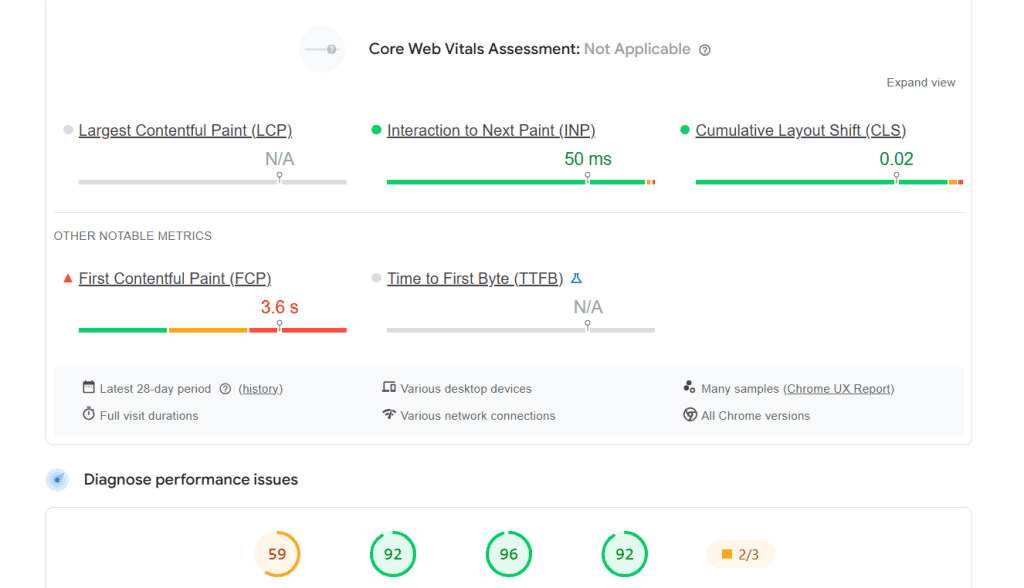
Core Web Vitals are Google’s core performance indicators for quantifying real world user experience. The main three measures are:
Largest Contentful Paint (LCP)
LCP measures the time it takes the largest visible element (e.g hero image or heading) to load. Google suggests your LCP is less than 2.5 seconds.
Interaction to Next Paint (INP)
Google has replaced First Input Delay (FID) with a new main responsiveness metric called Interaction to Next Paint (INP). INP measures the speed at which your site responds to user interaction, such as a click or a tap. The lower the response times the smoother your browsing experience will be.
Cumulative Layout Shift (CLS)
CLS measures sight stability If buttons, images or text shift around as a page loads, users might click on the wrong thing. For optimal CLS score, it should be less than or equal to 0.1.
How Web Hosting Affects Core Web Vitals
A well designed website can perform badly on a badly performing hosting infrastructure. The environment you host your website in will affect its speed and responsiveness.
Faster Server Response Time
Your server starts on each page request. Slow servers increase the TTFB which pushes back the rendering of the page and hurts LCP.
High performance hosting featuring the latest processors, abundant RAM and optimized server software results in faster response times and quicker content delivery.
NVMe SSD Storage
NVMe SSD storage is much faster than the HDD storage. The faster your storage, the faster your server can pull up your website files, databases and images.
which provides:
- Page load speed up
- Less lag on servers
- LCP performance got better
- Better overall user experience
LiteSpeed and Server-Level Caching
Server-side caching means that frequently requested pages are stored in memory rather than being generated on the fly.
The advantages are:
- Speedier page loading
- Less load on the server
- Quick response rate
- More effective handling of traffic spikes
LiteSpeed Web Server + LiteSpeed Cache can speed up websites by a lot, over traditional setups.
Content Delivery Network (CDN)
A CDN is a network of servers around the world that store copies of your site. Content is served from the location nearest to the visitor.
Advantages include:
- less lag time
- Quick image delivery
- Javascript and CSS Load Faster
- Improved LCP for international visitors
They’re especially useful for sites with a global audience.
HTTP/3 Support
HTTP/3 uses the QUIC protocol to make communication between browsers and servers better.
The advantages of HTTP/3 over the older protocols are:
- Quick Setup Connect
- Packet loss is not so important
- Improved performance of the mobile network
- less lag loading,
More and more modern hosting providers are enabling http/3 by default.
Other Hosting Features That Improve Core Web Vitals
There are some other hosting technologies that can also speed up websites.
Built-in Image Optimization
A lot of the time, the biggest thing for LCP is a big image.
By: hosting platforms can assist with image optimization
- Image compression
- Delivering Next-Generation Formats like WebP
- Serving responsive image sizes
Larger images load faster with no noticeable loss in quality.
PHP and Database Performance
The newer versions of PHP make the code execute faster.
Optimized databases, object caching and well-tuned MySQL or MariaDB settings can help to cut down the amount of time it takes to render dynamic pages.
This is especially true of WordPress, WooCommerce and other CMS platforms.
Practical Ways to Improve Core Web Vitals
Website performance needs to be improved through website optimization and hosting improvements.
Couple of practical things here:
- NVMe SSD hosting should be chosen.
- 1) Turn on caching in the server.
- Serve static resources from CDN
- Compress and resize images before uploading them.
- Minify CSS, JS Files
- Enable Gzip or Brotli compression.
- Remove duplicate plugin.
- Implement lazy loading for images offscreen.
- Upgrade PHP to the latest version.
- use HTTP/3 if possible.
There are many little things that can make big performance improvements.
Tools to Test Core Web Vitals
There are many free tools that help you to measure the performance of your website.
Google PageSpeed Insights
It offers Core Web Vitals data and recommendations for improvement.
Google Search Console
provides Core Web Vitals reports with real user data from Chrome.
Lighthouse
Lighthouse is an open source tool to automatically improve the quality of web pages. Lighthouse audits for performance, accessibility, progressive web apps, SEO etc.
GTmetrix
GTMetrix and It Offers detailed waterfall reports, load time charts and optimization tips.
Testing your website regularly will help you find new problems before they affect visitors.
Why Choosing the Right Hosting Provider Matters
If your hosting environment is holding you back, your site won’t consistently perform well in Core Web Vitals.
What a quality host can bring:
- Storage Type Solid State Drive NVMe
- Web Server: LiteSpeed
- Free CDN integration with
- Support for HTTP/3
- Internal cache
- High availability
- PHP (recent versions)
- Strong server infrastructure
These features provide a great foundation for fast loading websites and better search performance.
Cyberin offers high speed NVMe hosting, LiteSpeed servers, built in caching, free SSL, CDN ready and reliable infrastructure for businesses that target visitors in india to help your website achieve faster loading time and better Core Web Vitals.
Conclusion
Core Web Vitals are not simply technical metrics anymore, they directly impact how users experience your site and can affect search performance. Optimizing your code, images and scripts is important but so is the quality of your hosting.
Fast servers, NVMe SSD storage, caching, CDN integration, HTTP/3 and modern infrastructure all help to improve LCP, responsiveness and stable page layouts. Choosing the right website optimization strategies and a trusted hosting partner such as Cyberin, can get you a faster website, that keeps your visitors coming back, and provides you long-term SEO success.